
Telehandler Rentals in Dallas: Choosing the Right Reach & Capacity
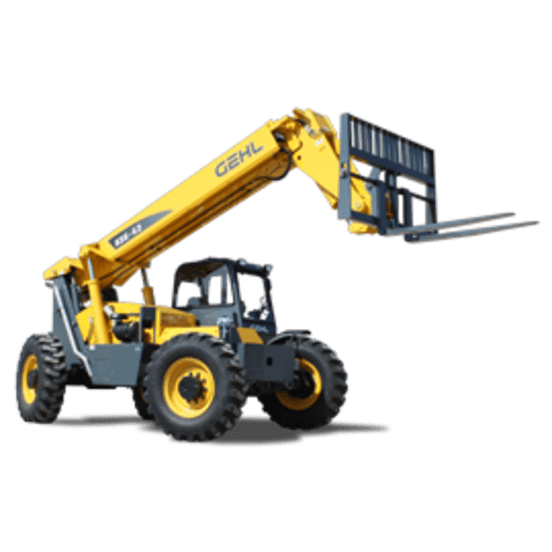
Telehandlers are some of the most versatile machines on a Dallas jobsite — part forklift, part crane, part all-terrain hauler. But that versatility only pays off if you rent the right configuration. Choosing a telehandler with too little reach or capacity means constant repositioning and wasted labor hours. Choosing one that's oversized means paying for lift height and horsepower you never use. Here's how to match a telehandler to the actual work in front of you.
Why Reach and Capacity Matter More Than "Bigger Is Better"
Telehandlers are rated by two numbers: maximum lift height (reach) and maximum load capacity, which drops as the boom extends further out and up. A machine rated for 9,000 lbs at ground level might only safely lift a fraction of that at full extension. Matching the right unit to your task isn't about picking the biggest telehandler available — it's about understanding the load chart for the job at hand.
Before you rent, get clear on:
- Maximum working height the job requires — roof trusses, block walls, structural steel
- Horizontal reach needed to place material without repositioning the machine
- Actual load weight at the point of placement, not just at ground level
- Ground conditions — soft, sloped, or congested sites change which telehandler makes sense
Matching Telehandlers to Common Dallas Jobsite Tasks
Tight Infill and Renovation Sites
Dallas's ongoing infill development and multifamily renovation work often means narrow lots, limited staging space, and material that needs to go up and over an existing structure. For these jobs, a compact-frame telehandler with a tighter turning radius is usually the better call than a full-size unit. You'll sacrifice some maximum reach, but you gain maneuverability in spaces where a larger machine simply can't operate.
Commercial and Industrial Builds
Larger commercial projects — warehouses, distribution centers, retail pads — typically call for telehandlers with greater lift height and capacity to place trusses, HVAC units, and palletized material at height. These sites usually have the open space to accommodate a bigger machine, and the payload demands justify it. Underestimating capacity here is the costlier mistake, since it slows down crews waiting on repeat lifts.
Masonry and Block Work
Block and brick placement is capacity-intensive at moderate height rather than height-intensive. A telehandler with strong mid-range capacity and a forward reach that lets it place material close to the wall without the crew having to hand-carry blocks the last several feet is usually the more efficient choice than maximizing boom height.
Roofing and Structural Steel
Jobs that involve lifting to roof level or placing steel need maximum reach prioritized, often with attachments like a jib or winch. Confirm the load chart at full extension covers your heaviest bundle — this is where undersized rentals cause the most rework.
Attachments Change the Equation
A telehandler's usefulness on a Dallas jobsite often comes down to the attachment on the end of the boom, not just the boom itself. Forks, buckets, and truss booms all change the effective capacity and how the machine handles a load. When you request a quote, tell us the attachment you need alongside the reach and capacity — it affects which unit in our fleet is the right fit.
Ground Conditions and Terrain
Much of the Dallas–Fort Worth area sees a mix of clay soil and construction debris underfoot, especially early in a project before pads and access roads are finished. Rough-terrain telehandlers with larger tires and better ground clearance handle these conditions far better than a machine built for finished concrete. If your site is still in the earthwork or foundation phase, factor terrain into the rental decision as much as reach and capacity.
Getting the Right Machine the First Time
The fastest way to avoid a mismatched rental is to give us the specifics before you book: maximum height needed, the heaviest load you'll be placing and at what reach, your attachment needs, and site conditions. That information lets us match you to the right telehandler from our Dallas fleet instead of defaulting to whatever's available.
Ready to Rent a Telehandler in Dallas?
Browse current availability, capacities, and daily, weekly, and monthly pricing on our equipment page, or reach out and tell us about your project — we'll help you pick the reach and capacity that actually fits the job.