
Electric vs. Propane vs. Diesel Forklifts: Warehouse Rental Guide
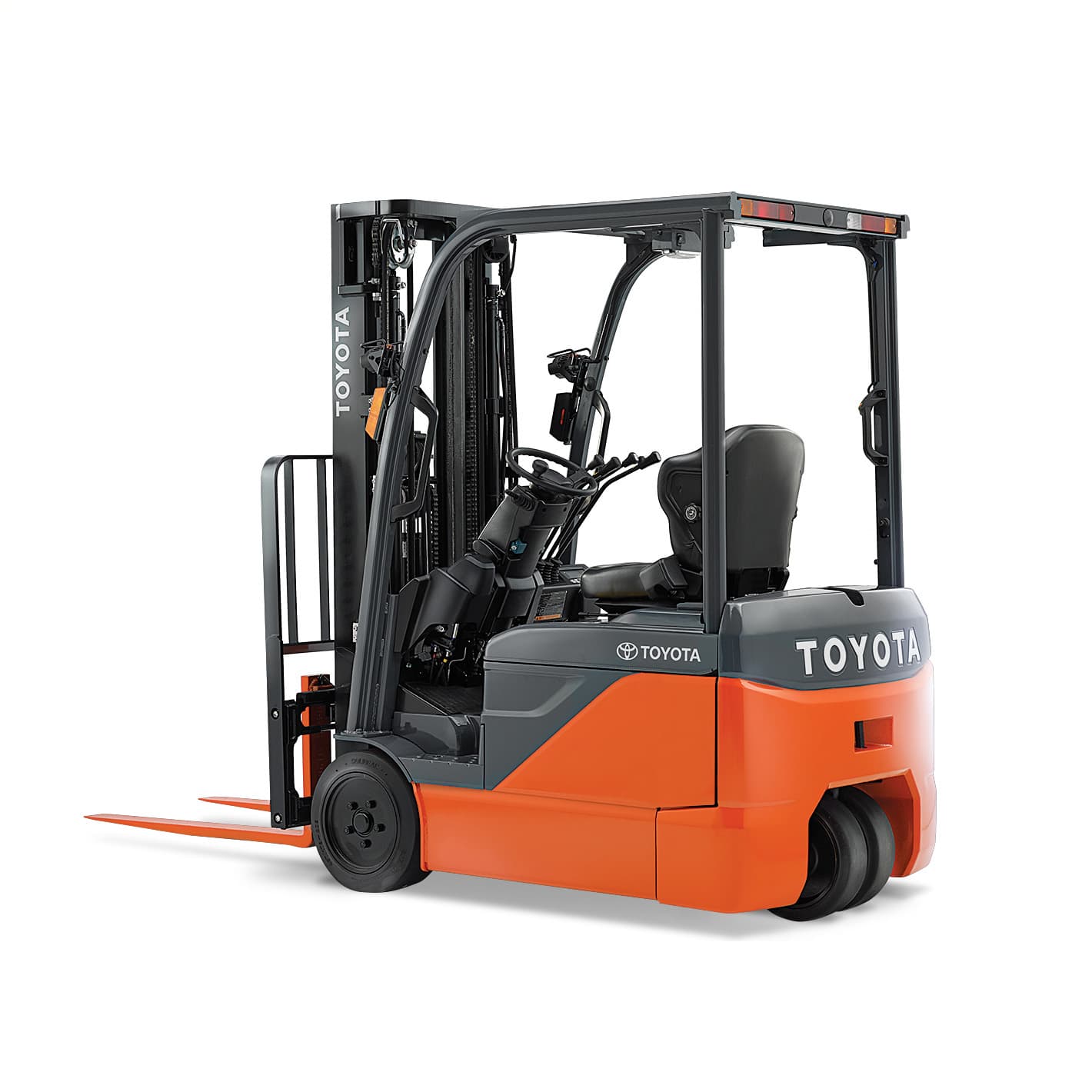
Picking the right power source for a warehouse forklift rental is about more than horsepower. Indoors, the choice between electric, propane, and diesel affects air quality, run time, maintenance needs, and the total cost of getting the job done. Here's how the three stack up for indoor warehouse work.
Why Power Source Matters Indoors
Warehouses are enclosed spaces with limited ventilation compared to a job site or yard. That changes the calculus:
- Emissions build up in a way they don't outdoors, which matters for worker health and air-quality compliance.
- Noise carries more indoors, affecting communication and safety awareness.
- Charging or refueling logistics depend on your facility's layout and how many shifts you're running.
The "best" option depends on your operation's duty cycle, ventilation, and how long the equipment needs to run each day — not just which forklift is cheapest to rent.
Electric Forklifts
Electric forklifts are the standard choice for most indoor warehouse work, and for good reason.
Emissions and Air Quality
Electric units produce zero tailpipe emissions, which makes them the clear choice for enclosed warehouses, cold storage, and food-grade facilities where exhaust is a non-starter.
Operating Considerations
- Quieter operation, which helps in facilities with a lot of foot traffic or communication-heavy workflows.
- Requires charging infrastructure — dedicated charging stations and downtime (or battery swaps) to keep multiple shifts running.
- Generally lower maintenance since there's no combustion engine, exhaust system, or fuel system to service.
- Performance can dip slightly on inclines or with very heavy, sustained loads compared to internal combustion options.
Electric is typically the go-to for single- or double-shift warehouse operations with standard dock-to-shelf work.
Propane Forklifts
Propane (LPG) forklifts are a common middle-ground choice, especially where warehouses need flexibility between indoor and outdoor use.
Emissions and Air Quality
Propane forklifts do produce combustion emissions, so indoor use requires adequate ventilation. Many facilities use catalytic converters and scheduled maintenance to keep emissions in check, but propane will never be as clean indoors as electric.
Operating Considerations
- Fast refueling — swap a tank and get back to work, with no long charging wait.
- Consistent power output across a full shift, with no gradual power drop-off like a discharging battery.
- Works well for operations that move between indoor aisles and an outdoor yard or loading area in the same shift.
- Requires safe propane tank storage and handling on-site.
Propane suits multi-shift operations or facilities that need equipment to move seamlessly between indoor and outdoor tasks.
Diesel Forklifts
Diesel forklifts bring the most raw power and are built for heavy-duty lifting, but that strength comes with tradeoffs indoors.
Emissions and Air Quality
Diesel exhaust is the most significant of the three for indoor air quality. Diesel units are generally best reserved for outdoor use, open-sided warehouses, or facilities with industrial-grade ventilation systems designed to handle combustion exhaust.
Operating Considerations
- Highest torque and load capacity, useful for heavy pallets or dense materials.
- Built for durability under continuous, heavy-duty use.
- Noisier than electric or propane, which matters in enclosed spaces.
- Best paired with strong ventilation if any indoor use is required at all.
Weighing Total Cost, Not Just Rental Rate
"Total cost" for indoor forklift use includes more than the rental itself:
- Energy/fuel costs: electricity, propane tanks, or diesel fuel over the rental period.
- Downtime: charging cycles for electric vs. quick refueling for propane and diesel.
- Ventilation or air-handling needs: added cost if your facility isn't already set up for combustion equipment indoors.
- Maintenance: electric units generally need less mechanical upkeep than combustion engines.
Because rates vary by market, duration, and equipment configuration, we don't list pricing here — check current rates for electric, propane, and diesel forklifts at dependableliftrentals.com/en/equipment.
Matching the Forklift to the Job
A quick way to frame the decision:
- Enclosed warehouse, standard pallet work → electric.
- Mixed indoor/outdoor, multi-shift operation → propane.
- Heavy loads, well-ventilated or open-sided facility → diesel.
If you're not sure which configuration fits your warehouse layout and workload, our team can help match capacity, power source, and attachments to the job.
Get the Right Forklift for Your Warehouse
Whether you need an electric forklift for a clean, quiet indoor operation or a propane unit for a facility that moves between indoor and outdoor work, Dependable Lift Rentals can help you find the right fit. Browse current forklift availability and configurations at dependableliftrentals.com/en/equipment.