
Drying Equipment Rentals for Water Damage Restoration
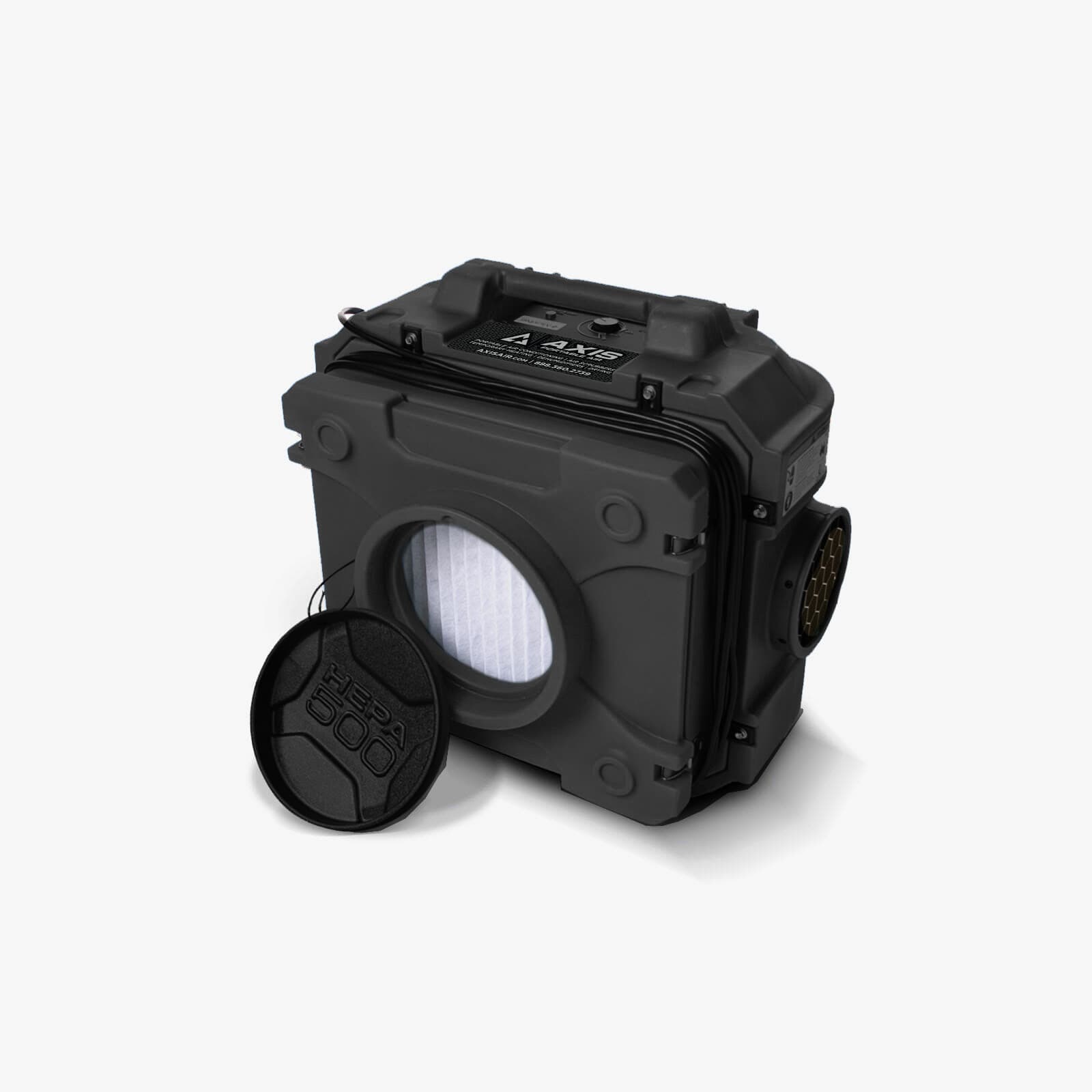
Water intrusion doesn't wait for a convenient time, and neither does the damage it causes. Once water is standing or saturated into building materials, the clock starts on mold growth, structural weakening, and odor. The right combination of drying equipment — air movers, low-grain refrigerant (LGR) dehumidifiers, and HEPA air scrubbers — is what separates a fast, clean recovery from a drawn-out remediation project.
Why Drying Equipment Matters After a Water Event
Standing water is only part of the problem. Drywall, subfloor, insulation, and framing can hold moisture long after visible water is gone. If that moisture isn't pulled out quickly, it creates conditions for mold and mildew to take hold within days. Restoration contractors, property managers, and facilities teams rely on rental drying equipment because:
- Structural drying requires more airflow and dehumidification capacity than a single job can justify owning
- Equipment needs vary by job size, so renting lets you match capacity to the space
- Fast deployment matters more than ownership when water damage is active
Air Movers: Moving Air Across Wet Surfaces
Air movers (also called axial fans or carpet dryers) push high-velocity air across wet floors, walls, and carpets to accelerate evaporation. They're typically placed in a chain or circular pattern around a room so moving air sweeps every wet surface.
Where air movers are used:
- Wet carpet and pad after flooding
- Water-damaged drywall and baseboards
- Hardwood floor drying (with specialized floor-drying attachments in some cases)
- Crawlspaces and basements after intrusion
The number of air movers needed depends on room size, the extent of saturation, and how many wet surfaces (walls, floor, ceiling) are involved — a single wet wall needs less airflow than a fully flooded room with wet drywall on all sides.
LGR Dehumidifiers: Pulling Moisture Out of the Air
Air movers evaporate moisture into the air, but that moisture has to go somewhere — that's the job of an LGR dehumidifier. LGR units are built to pull humidity down to lower levels than standard dehumidifiers, which matters in structural drying where you need to keep ambient air dry enough for evaporation to keep happening.
LGR dehumidifiers are typically sized and placed based on:
- Total cubic footage of the affected space
- How saturated the materials are
- Ambient temperature and existing humidity levels
- Whether the space can be closed off to hold dry air
Pairing air movers with LGR dehumidifiers in the same space is standard practice — air movers do the evaporating, and the dehumidifier keeps removing that moisture so the air doesn't just re-saturate the materials.
HEPA Scrubbers: Managing Air Quality During Drying
HEPA air scrubbers filter particulates, spores, and fine debris out of the air during and after a water event. They're especially important when there's any risk of mold contamination, when demolition (removing wet drywall or flooring) is part of the job, or when air quality needs to be controlled for occupants nearby.
Common HEPA scrubber applications:
- Containment areas during mold remediation
- Post-demolition dust and particulate control
- Negative air pressure setups to keep contaminants from spreading to unaffected areas
Sizing a Drying Setup for Your Job
Every water damage job is different, but a few questions drive equipment selection:
- How large is the affected area? Square footage and ceiling height determine air mover and dehumidifier counts.
- What materials are wet? Carpet, drywall, and subfloor all dry at different rates and may need different equipment configurations.
- Is there a contamination risk? Category 2 or 3 water (gray or black water) typically calls for HEPA scrubbers and containment.
- Can the space be closed off? Sealed rooms hold dry air better, which can reduce the number of dehumidifiers needed.
Restoration professionals often walk the site first, then rent the specific mix of air movers, LGR dehumidifiers, and HEPA scrubbers that matches the job — rather than guessing at capacity in advance.
Renting Drying Equipment Across Our Markets
Dependable Lift Rentals supplies drying equipment to restoration contractors and facilities teams in Los Angeles, New York City, Dallas, Chicago, Houston, Charlotte, and San Jose. Because water damage jobs are time-sensitive, fast delivery and equipment availability matter as much as the equipment itself.
Rates vary by location, unit type, and rental duration, so check current pricing and availability before you commit to a job timeline.
Ready to Get Drying Equipment on Site?
Visit our equipment page to see current air mover, LGR dehumidifier, and HEPA scrubber availability and get live pricing for your market.